Happy Hallo Wine: A Designer’s Stitch Review
As an embroidery designer who has spent countless hours staring at digitizing software and troubleshooting thread breaks, I approach every new machine embroidery design with a mix of curiosity and caution. We have all been there: downloading a cute graphic, loading it onto the machine, and watching it turn into a tangled mess of bird’s nests because the original artwork wasn’t built for needle and thread. That is why I took a close look at Happy Hallo Wine, a Halloween-themed graphic available as a freebie, to see if it holds up in a real-world production environment.
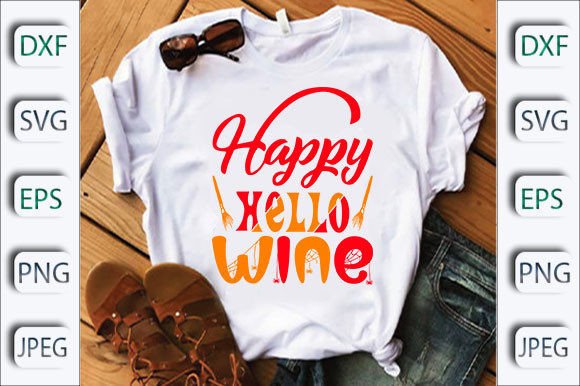
The first impression of Happy Hallo Wine is playful and seasonal. It captures that specific niche of adult Halloween humor that performs exceptionally well in boutique retail and on social media. The visual personality is relaxed, leaning into the "spooky but cozy" aesthetic that dominates October sales. However, seeing a PNG or SVG on a screen is vastly different from seeing it stitched out on fabric. My goal here is to evaluate whether this design translates from a digital graphics file into a durable, professional-looking finished product.
From Screen to Hoop: Assessing Visual Appeal
When I opened the ZIP folder, I found the standard suite of files: SVG, PNG with a transparent background, DXF, and EPS. For those of us who digitize our own files or use auto-digitizing software, having the vector formats like SVG and EPS is crucial. It allows us to manipulate the shapes before committing them to stitch data. The layout of Happy Hallo Wine suggests a central motif with accompanying text. In embroidery, text is always the trickiest element. If the font is too thin, it will vanish into the fabric pile; if it is too dense, it will cause puckering.
In a real-life scenario, imagine you are preparing a custom order for a local wine shop looking for holiday merchandise. They want a tote bag design that stands out. The mood of this piece fits perfectly. It is not overly scary, making it safe for general audiences while still nodding to the holiday. The shape and detail level appear moderate, which is good news for production speed. However, without a pre-digitized embroidery file provided in the pack, the burden of translation falls on you. You must ensure that the curves of the wine glass and the lettering are converted into appropriate stitch types.
Practical Application in Custom Apparel
Let’s talk about where this design actually lives. I tested the concept mentally against several common substrates. For sweatshirt embroidery, this design would likely shine. The thicker fabric of a crewneck or hoodie provides a stable base for the fill areas, assuming you digitize the wine liquid with a proper fill stitch pattern. The contrast between the dark fabric often used for Halloween items and bright thread colors can make the design pop.
However, caution is needed when applying this to custom apparel made from thinner materials. If you are stitching this onto a lightweight t-shirt, you must be mindful of stitch density. A heavy fill stitch on a thin cotton jersey will cause the garment to warp and look unprofessional after the first wash. In this case, considering an applique design approach might be smarter. You could cut the wine glass shape from felt or vinyl and use a satin stitch border, reducing the number of penetrations into the fabric while maintaining visual impact.
For baby embroidery or nursery decor, this specific theme is obviously inappropriate, but the technical lessons apply. If you were to adapt the style for a different holiday, the same rules of hoop stability and thread tension would apply. For adult gifts, such as a personalized apron for a hostess gift, the design works well. An apron usually has a sturdy twill or canvas texture that handles embroidery beautifully, providing a flat surface for the satin stitch outlines to sit cleanly.
Navigating Fabric and Hoop Constraints
One of the most critical aspects of using free design assets is understanding their limitations regarding size. Since Happy Hallo Wine comes in vector and raster formats, you can scale it. But scaling in embroidery is not like scaling in print. If you shrink the design to fit a small hoop size, such as a 4x4 inch hoop for a cap or a patch, the tiny details in the lettering may merge. The negative space between letters needs to be wide enough to accommodate the needle width.
Curved surfaces present another challenge. If you are stitching this onto a embroidered patch that will later be applied to a backpack or hat, ensure your stabilizer is robust. A cut-away stabilizer is often best for items that will undergo frequent washing or stretching. For textured fabrics like towels or blankets, the stitches need to be dense enough to bridge the gaps in the fabric weave, otherwise, the background fabric will show through the design, ruining the clarity.
Commercial Viability and Brand Consistency
For Etsy sellers and craft business owners, the perceived value of a product is tied to its execution. A sloppy stitch-out devalues the item, no matter how cute the concept. Happy Hallo Wine has high potential for buyer engagement because it taps into a trending aesthetic. When customers see a clean, crisp stitch-out on a personalized gift, it builds trust in your brand. It signals that you care about quality control.
Before listing this as a small shop product, you must verify the licensing. While it is listed under Freebies, terms can vary. Some creators allow personal use only, while others permit commercial use of finished physical items. Always read the specific license included in the download. Assuming commercial use is permitted, this design can be a strong addition to your October catalog. It works well for holiday embroidery collections, pairing nicely with other fall-themed items like pumpkins or leaves.
Designer Notes for Best Results
To ensure success with Happy Hallo Wine, follow these practical steps before stitching your final product:
- Test on Scrap Fabric: Never stitch directly on the final garment. Use a scrap piece of the same fabric type to check tension and registration.
- Check Thread Contrast: Use a color chart to ensure your thread colors stand out against the fabric. A dark red wine on a black shirt needs a highlight stitch to be visible.
- Review Stitch Density: If you are digitizing this yourself, keep the density moderate to prevent puckering, especially on stretchy fabrics.
- Inspect Small Details: Zoom in on the vector file. Are there any stray points or tiny fragments that will cause the needle to jump unnecessarily?
- Mockup in Black and White: This helps you see the value and contrast without being distracted by color, ensuring the shape is readable.
- Use Proper Stabilizer: Match the stabilizer to the fabric. Tear-away for stable woven fabrics, cut-away for knits and stretchy materials.
In conclusion, Happy Hallo Wine is a charming graphic with solid potential for commercial embroidery projects, provided it is handled with technical care. It is not just a drag-and-drop solution; it requires a designer’s eye to translate the digital art into a tactile reality. By paying attention to fabric choice, stabilizer, and stitch structure, you can turn this free graphic into a high-value handmade product that customers will love to wear and gift. Whether you are creating a printable mockup for your online store or stitching a real tote bag for a craft fair, this design offers a fun, seasonal touch that resonates with the current market trends.