Reviewing Black History Periodt for Real Embroidery Projects
As a designer who has spent countless hours digitizing and stitching out thousands of designs, I approach every new machine embroidery design with a critical eye. It is not just about whether the image looks cute on a screen; it is about how it translates to thread, how it holds up on fabric, and whether it adds genuine value to a finished product. Recently, I took a close look at Black History Periodt, a digital asset categorized under Freebies and Graphics, to determine if it meets the rigorous standards required for professional craft business use.
First Impressions and Visual Personality
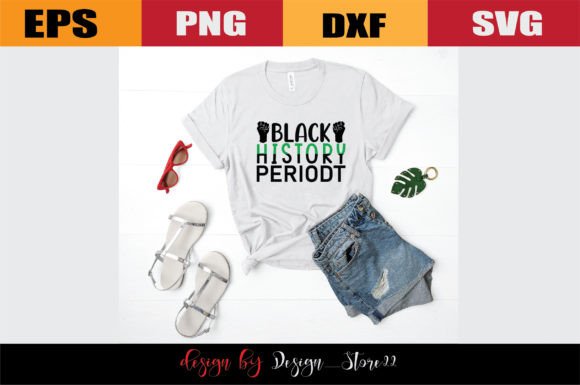
The phrase "Periodt" carries a specific cultural weight and modern attitude. When evaluating Black History Periodt, the immediate impression is one of boldness and unapologetic pride. The layout suggests a design that relies heavily on typography rather than complex illustrative elements. For an embroidery reviewer, this is both a blessing and a challenge. Typography-heavy designs require precise digitizing to ensure legibility, especially when scaled down for smaller items like baby clothes or caps.
The mood created by this design is celebratory and assertive. It fits naturally into projects aimed at empowerment, education, and cultural pride. Visually, it demands attention. In a retail setting or an Etsy shop listing, this kind of graphic stands out because it speaks directly to identity. However, the simplicity of the concept means that the execution—specifically the stitch types and density—will make or break the final result.
Real-World Application: The Tote Bag Test
To truly understand the viability of this design, I imagined applying it to a standard canvas tote bag, a staple item for many small shop products. Canvas is a sturdy fabric, but it has a distinct texture that can interfere with fine details. If Black History Periodt utilizes a heavy fill stitch throughout, it might cause the fabric to pucker or distort. Ideally, this design should incorporate a mix of satin stitch for outlines and lighter fill stitches or running stitch for larger areas to maintain the structural integrity of the bag.
In this scenario, the design would serve as a central focal point. For a boutique branding effort, placing this on a natural-colored cotton tote creates a striking contrast. Customers looking for meaningful holiday gifts or everyday carryalls would likely respond positively to the clear message. The key here is scale. On a tote, you have room to let the letters breathe. If the design is too compact, the threads may merge, turning crisp letters into a blurry mess after washing.
Navigating Fabric and Hoop Constraints
One of the most critical aspects of using any embroidery file is understanding its limitations on different materials. While Black History Periodt might look perfect on a sweatshirt, applying it to stretchy fabrics requires caution. Sweatshirt embroidery often involves fleece or jersey knits, which shift under the needle. Without proper stabilizer, even a well-digitized design can sink into the pile of the fabric, losing its definition.
For curved surfaces like caps, the design’s width becomes a major factor. Most standard cap hoops are narrow. If the text in Black History Periodt is wide, it may not fit without significant resizing, which could compromise the stroke width of the letters. Similarly, for baby embroidery on onesies, the hoop size is limited, and the fabric is delicate. A dense design could feel stiff and uncomfortable against sensitive skin. In these cases, checking the stitch density before hitting "start" on your machine is non-negotiable.
Technical Considerations for Designers
Since this product is listed as a digital download containing SVG, PNG, EPS, DXF, and JPG files, it is important to clarify what this means for embroidery professionals. These formats are primarily vector and raster graphics used for cutting machines, printing, or graphic design. They are not native embroidery file formats like PES, DST, or JEF. This distinction is vital for Etsy sellers and craft business owners.
To use Black History Periodt for machine embroidery, you will likely need to import the SVG or DXF into embroidery software to auto-digitize it, or manually trace it to create a proper stitch file. This step introduces variability. Auto-digitizing often results in poor stitch paths, excessive jump stitches, and incorrect underlay. Therefore, treating this as a raw design asset rather than a ready-to-stitch file is the safest approach. Always test the resulting embroidery file on scrap fabric first. Check thread color contrast to ensure the message pops, and inspect small details to confirm that thin lines do not break during stitching.
Enhancing Product Value and Brand Consistency
When used correctly, Black History Periodt can significantly boost the perceived value of handmade products. It transforms a generic item into a statement piece. For commercial embroidery projects, consistency is key. If you are creating a line of apparel decorators or personalized gifts, ensuring that this design aligns with your brand’s aesthetic is crucial. The bold nature of the text pairs well with minimalist clothing items, allowing the message to take center stage.
Buyer engagement often hinges on emotional connection. Designs that celebrate heritage and history resonate deeply with customers. By offering high-quality embroidered items featuring this motif, you build trust and recognition. However, professionalism dictates that you verify licensing terms. Even though it is categorized under Freebies, confirming whether it allows for commercial use on finished products is essential before listing items for sale.
Final Verdict for Makers and Sellers
In conclusion, Black History Periodt offers strong visual potential for makers who understand the technical side of embroidery. It is not a plug-and-play solution for beginners due to the file format limitations, but it serves as an excellent base for experienced designers willing to customize the digitizing process. Whether you are creating custom apparel, embroidered patches, or home decor like pillow covers, the success of this design depends on your attention to detail.
Remember to prioritize proper stabilizer selection, test on various fabric textures, and adjust stitch density to suit the garment. By treating this graphic as a flexible design asset rather than a fixed embroidery pattern, you can create stunning, durable, and meaningful products that resonate with your audience. For hobbyists and professional alike, the effort invested in adapting this design will pay off in the quality of the finished product.